QUADAX at −196°C: design and a reported test
A QUADAX butterfly valve test presented in 2012 achieved zero leakage at −196°C. Seal construction, surface preparation and the test conditions are essential to interpreting that result.
Separating disc and seal duties
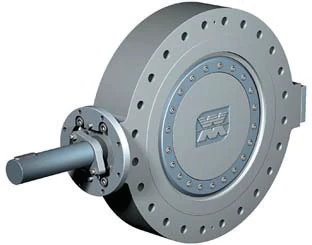
A seal must meet several demands: conformity with the seat, resistance to differential pressure and interaction with the closing mechanism. In the design described, a rigid disc carries the loads while a metal Inconel O-ring provides sealing contact. The fourth offset enables circular shut-off geometry. Body and seat construction also matter during cooling.
The DN600 test
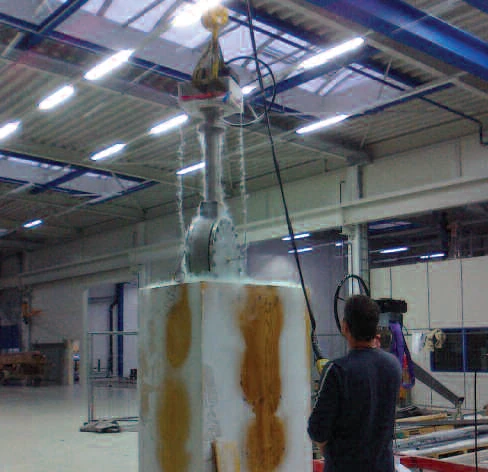
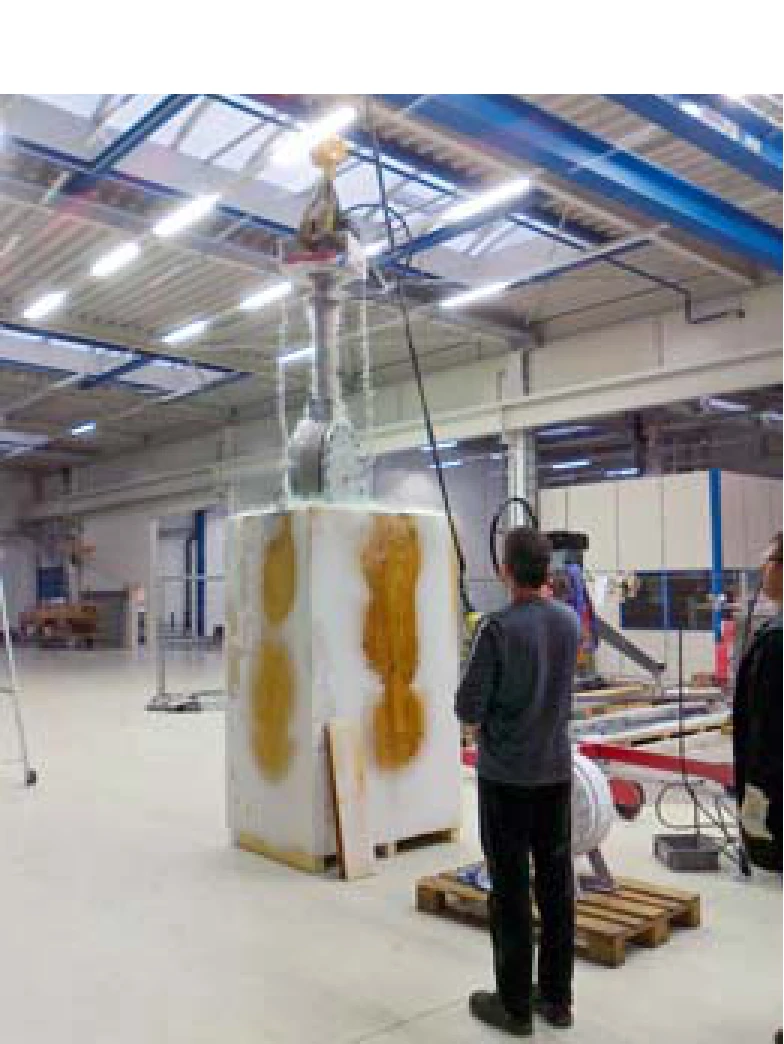
A DN600 butterfly valve was tested at −196°C and the maximum differential pressure specified for the test. Zero leakage was reported for that test. During acceptance, one of the tested valves nevertheless leaked within the limits of British Standard 6364 but failed to meet the manufacturer’s expectations. After removal from liquid nitrogen, the valve was opened and ice was wiped from the seal and seat. Only then was complete tightness confirmed by the customer’s representative and Bureau Veritas. The frosted test installation illustrates the setting, but the photograph itself does not replace the conditions and criteria described in the text.
How to use the result
The result documents a particular QUADAX valve and procedure reported in 2012. It should not automatically be applied to every size, seal or actuator configuration. For a new application, the starting points are the actual medium, temperature, pressure and required tightness.