Cryogenic valves: shut-off tightness and stem sealing
The QUADAX designs presented in 2014 treated shut-off tightness and external emissions as separate requirements. The sealing arrangement and a historical test for a butadiene application show why valve assessment also includes leakage around the stem.
Temperature changes the sealing conditions
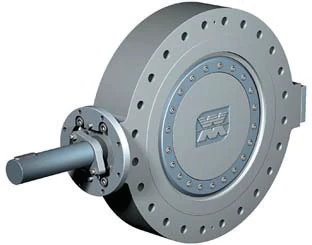
The body, disc and sealing components respond to temperature changes. Differences in wall thickness and deformation affect how the sealing surfaces meet. A circular opening and a metal O-ring are important to the fourth-offset design. These features concern the QUADAX arrangement presented, rather than every butterfly valve on the market.
The leakage path around the stem
Shut-off tightness along the pipeline does not establish whether medium can escape to the surroundings. The QUADAX design isolates the bearing arrangement from the medium; another solution is a “monitoring seal” arrangement. The latter uses a chamber from which medium can be removed under negative pressure. Considering these leakage paths separately allows both aspects of tightness to be assessed.
What the reported example establishes
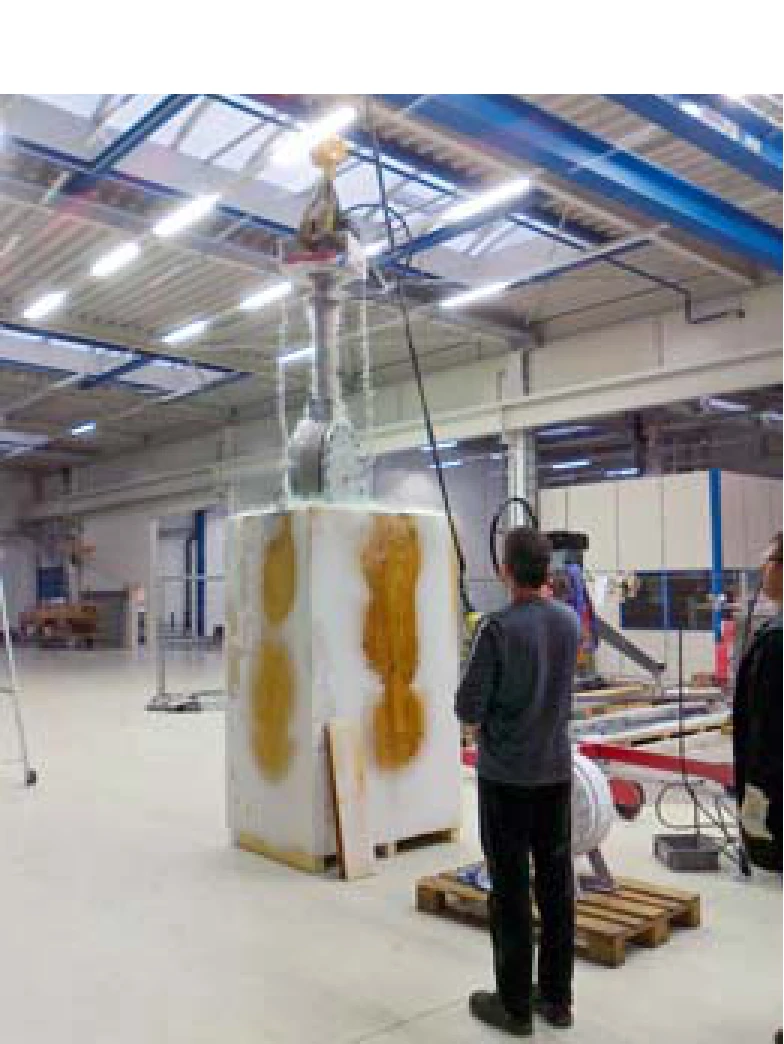
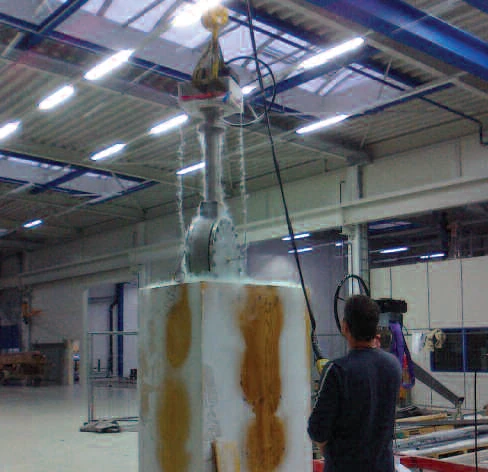
An Air Liquide butadiene project included testing to ISO 15848. The requirement was 1 × 10⁻⁵ mbar·l/(s·m), with a reported result better than 10⁻⁶ mbar·l/(s·m). Three temperature cycles up to 200°C are stated. These conditions belong to that example; they are neither the cryogenic test temperature under different conditions nor confirmation of current approvals for an entire valve range.