Condensate in compressed air: drainage points and WSP operation
Condensate does not form at just one point in a compressed-air system. Its formation and drainage need to be considered from the compressor through the downstream installation.
Where the water comes from
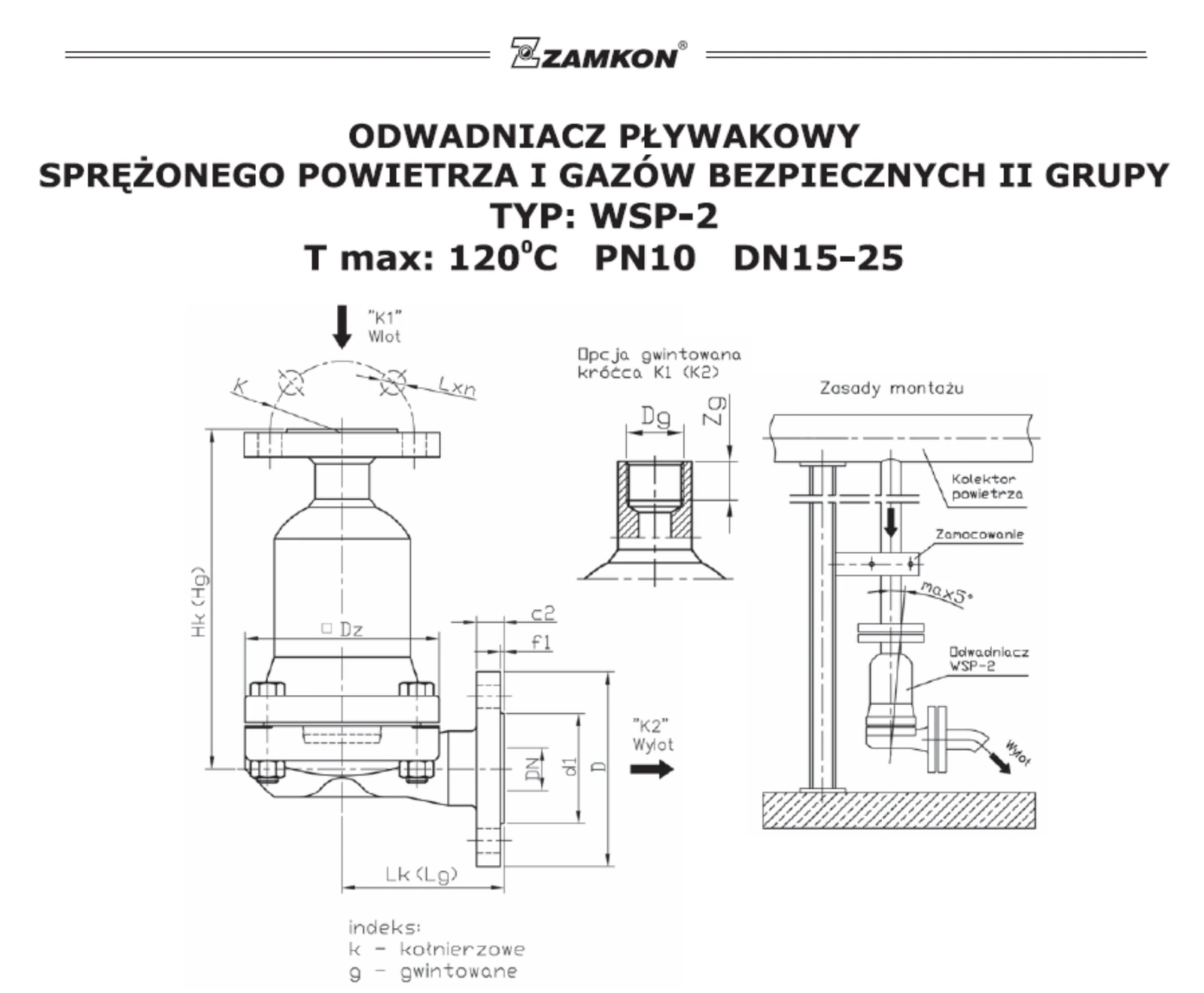
Air entering a compressor contains water vapour. Compression followed by cooling changes the conditions under which that moisture can remain gaseous. Excess moisture separates as condensate. The graph relates temperature and moisture content at different relative humidities, helping explain why air temperature affects the amount of water in the installation.
Where condensate discharge is needed
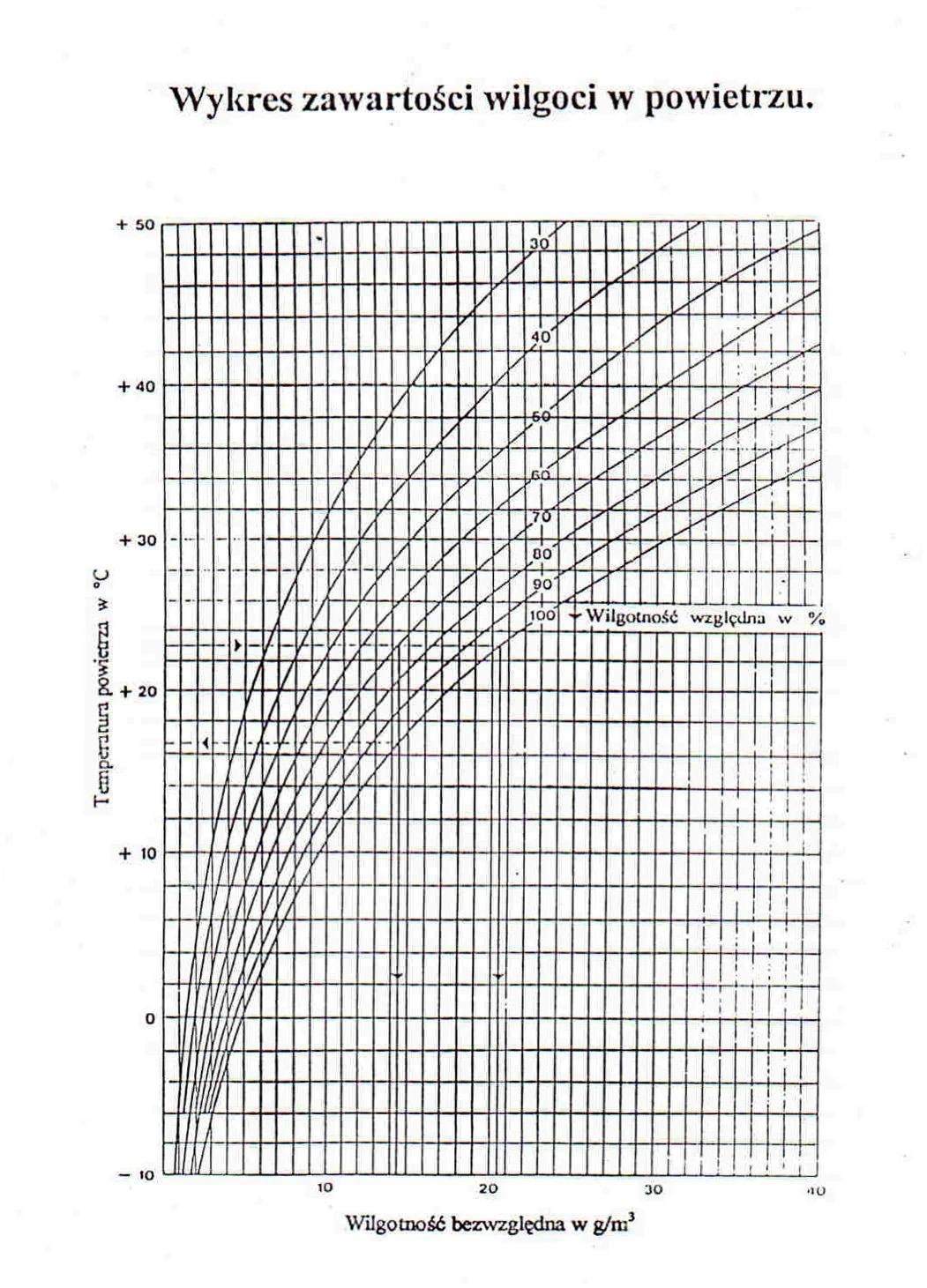
Drainage points include intercoolers, aftercoolers, receivers and pipeline low points. The connection to a drain needs to allow liquid to flow towards it; horizontal runs and pockets can obstruct drainage. The historical WSP-2 datasheet shows a connection gradient greater than 5°. That guidance belongs to the illustrated arrangement and its other conditions.
Pressure equalisation and gas locking
The WSP-1 arrangement uses an equalising line to assist condensate entry and gas removal from the chamber. Without that line, gas and liquid may have to travel in opposite directions through the same connection, slowing filling. This explains why liquid present in a pipe does not necessarily produce immediate drain operation.
Dirt, oil and frost
The system requires filtration, checks for blockages and frost protection. Trace oil is distinguished from conditions requiring separation of larger oil quantities. Drainage therefore requires assessment of the liquid and surroundings, rather than selection by nominal size alone. Inspections need to include components where contaminants accumulate.
Parameters of the historical WSP-2 version
The historical WSP-2 version from 2001 covers DN15–25, PN10, a maximum temperature of 120°C and a capacity graph up to 0.8 MPa differential pressure. The existing WSP-2 PN40 product page concerns a different version; the related link does not imply interchangeability. The cited regulatory requirements are historical.