Steam trap monitoring: finding losses between inspections
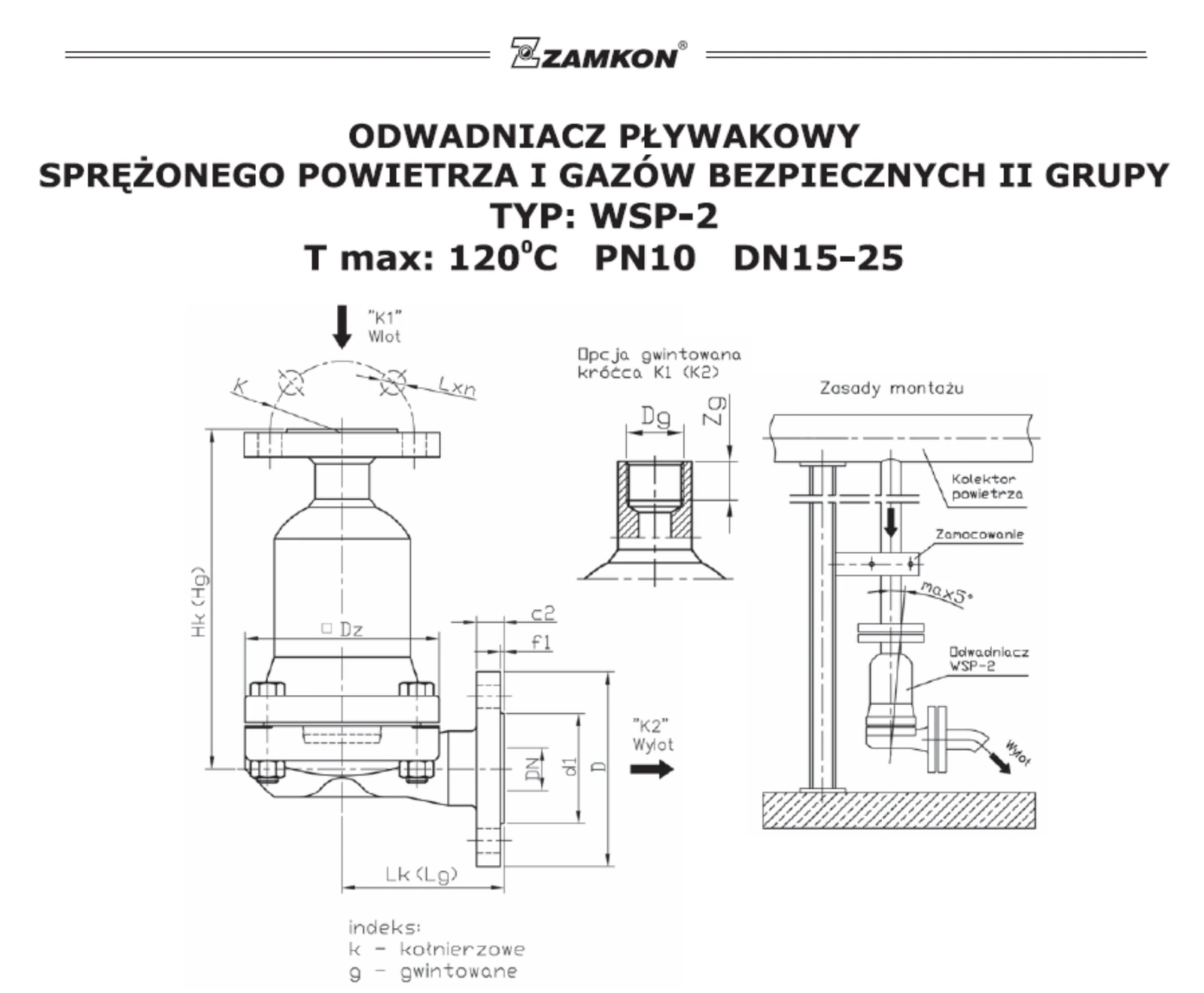
A steam trap should discharge condensate while retaining the steam needed by the process. This 2017 publication explains why checking a trap only during scheduled rounds can leave a long interval in which a fault remains undetected.
Two different failure modes
Passing live steam wastes energy already supplied to the plant. A blocked condensate outlet creates a different problem: flooded equipment and impaired heat transfer. Water can also reach equipment such as turbines. The absence of a visible leak therefore does not establish that a trap is working correctly.
Acoustic and temperature measurements
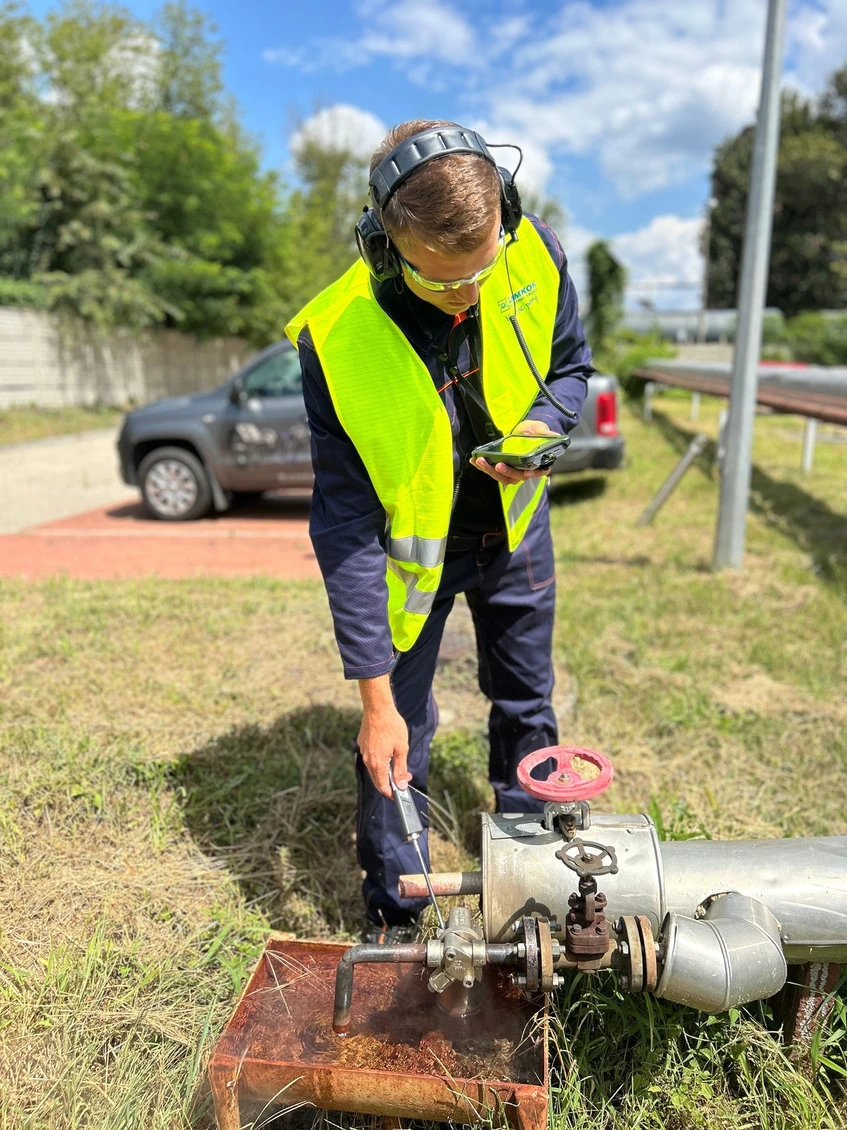
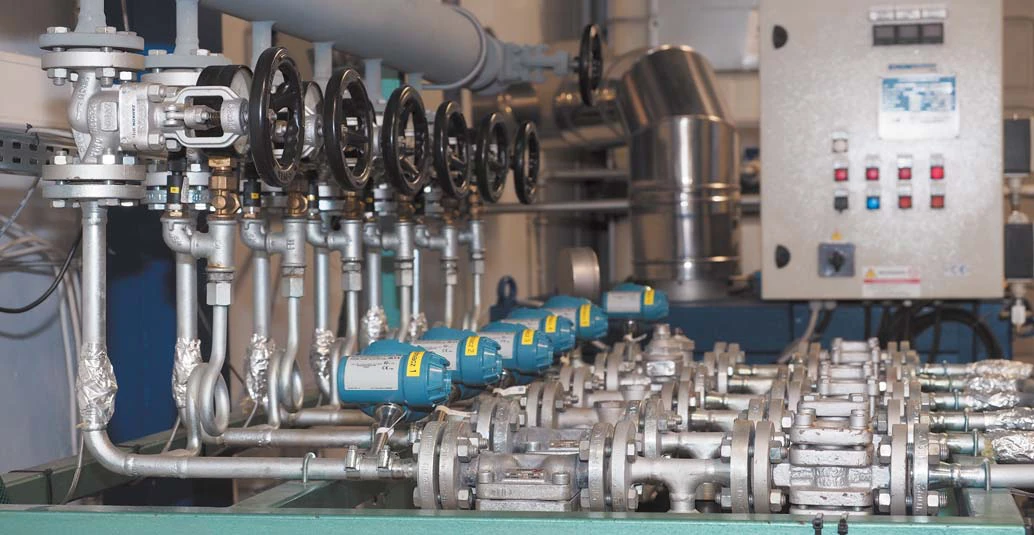
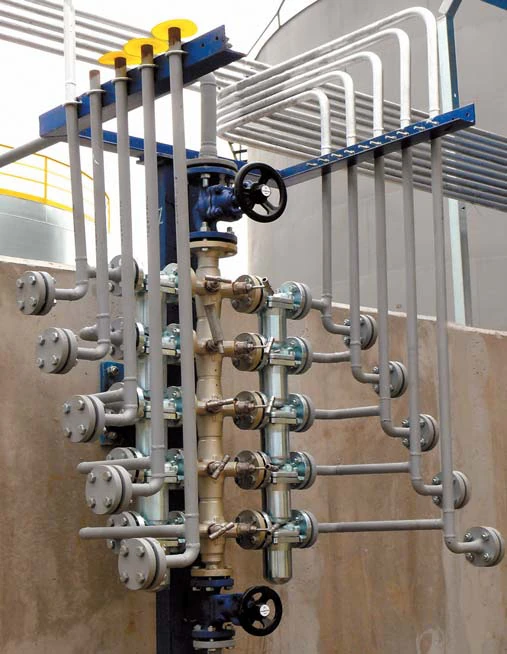
The ZAMKON and Emerson solution uses sensors upstream of the traps. Acoustic information is assessed together with temperature to identify steam leakage, blockage and condensate flooding. Wireless data transmission reduces the need to run signal cables to each measurement point. The photographs show actual test arrangements and manifolds used with this monitoring approach.
From an alarm to a maintenance decision
In the described system, PlantWeb Insight presents current condition and operating history. Operators can spot a change between inspections and arrange a check of the particular trap concerned. Continuous measurement provides information; repairing the fault still requires maintenance work. A universal payback period or savings figure cannot be assumed for every installation.